
Why is Urethane Cement the Best Flooring Option for Commercial Kitchen

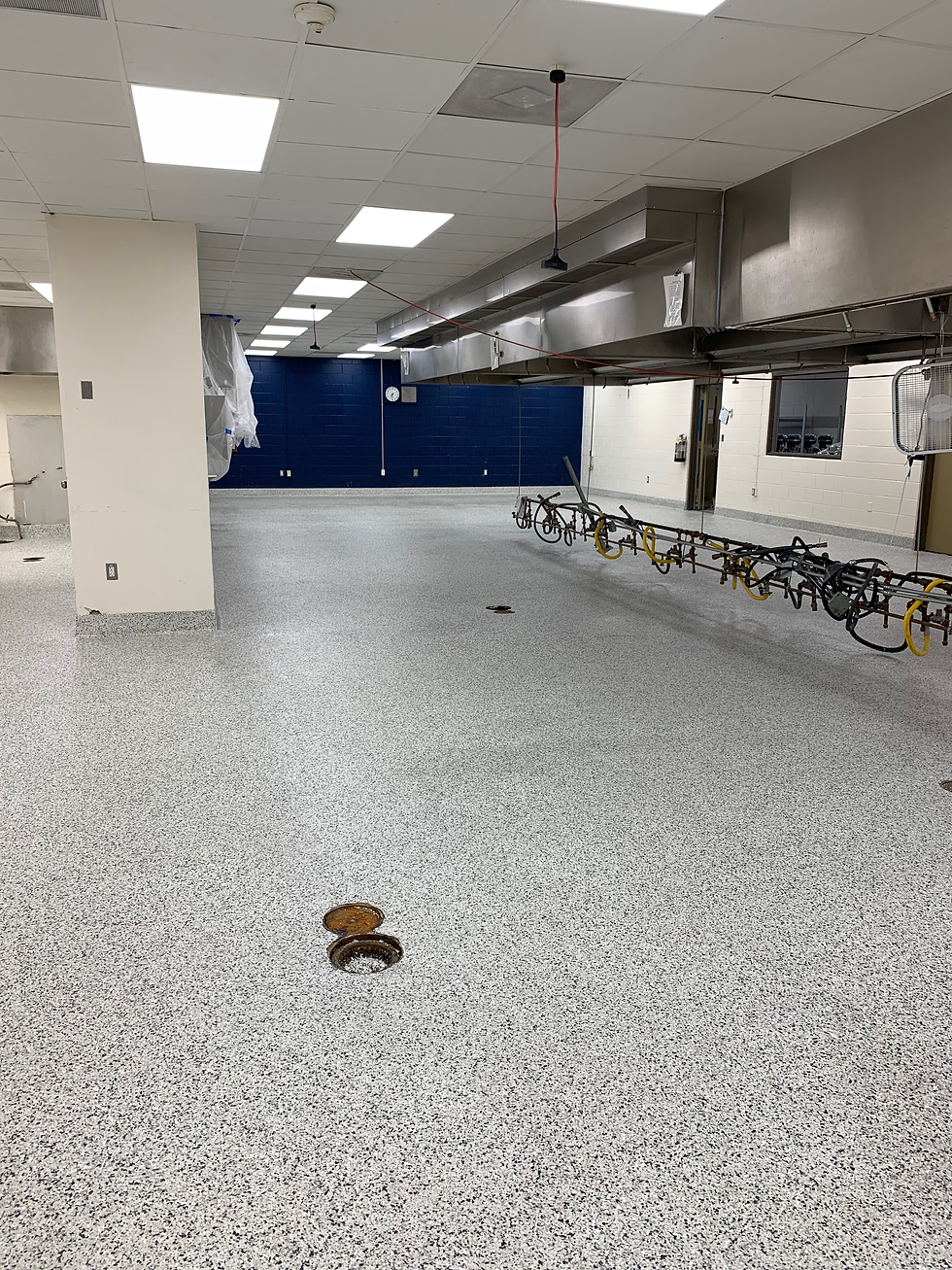
Commercial kitchen floors endure conditions that ordinary flooring systems were never designed to handle. Hot grease, boiling water, harsh cleaning chemicals, heavy equipment, constant foot traffic, and frequent washdowns can quickly damage an improperly specified floor. For these demanding environments, urethane cement flooring is typically the best choice.
Also called cementitious urethane or urethane concrete, urethane cement combines resin, hardener, cement, and graded aggregates to create a thick, durable flooring system. It is designed specifically for food-processing facilities, restaurant kitchens, commercial bakeries, breweries, and other areas exposed to heat, moisture, chemicals, and heavy use.
Superior Resistance to Thermal Shock
Thermal shock is one of the leading causes of commercial kitchen flooring failures. A floor may be exposed to hot cooking oil or boiling water and then immediately cleaned with cool water. This sudden temperature change causes concrete to expand and contract.
Urethane cement has a rate of thermal expansion similar to concrete, allowing the flooring system and concrete slab to move together. This greatly reduces the risk of cracking, separating, or delaminating during repeated temperature changes.
Standard epoxy flooring is more rigid and does not tolerate severe thermal cycling as well. Although epoxy performs well in many industrial settings, it is not superior to urethane cement in a commercial kitchen where extreme temperature changes are common.
Better Performance in Wet and Moist Environments
Commercial kitchens are regularly washed with water, degreasers, and sanitizing chemicals. Moisture can enter the concrete through cleaning operations, drains, cracks, or vapor transmission from beneath the slab.
Urethane cement is generally more tolerant of moisture than standard epoxy systems and can often be installed over concrete with a higher moisture content. Its thickness and bond strength help it withstand the wet conditions commonly found around dishwashing areas, fryers, sinks, coolers, and floor drains.
Epoxy flooring can blister or delaminate when moisture vapor pressure becomes trapped beneath the coating. Unless the slab is properly tested and a suitable moisture-mitigation system is installed, epoxy may be vulnerable in consistently wet kitchen environments.
Resistance to Grease, Chemicals, and Food Acids
A commercial kitchen floor may encounter animal fats, cooking oils, cleaning chemicals, sanitizers, detergents, and acidic foods. These substances can stain, soften, or break down flooring that lacks the required chemical resistance.
Urethane cement provides strong resistance to many of the chemicals and food byproducts found in commercial kitchens. Because chemical resistance varies by manufacturer and product, the flooring system should always be selected according to the substances and concentrations used in the facility.

Improved Safety and Slip Resistance
Wet floors, grease, and food debris create serious slip hazards. Urethane cement flooring can be installed with an aggregate texture that improves traction in wet and greasy conditions. The amount and size of aggregate can be adjusted to balance slip resistance with cleanability.
A properly designed system should also include integral cove base, sealed drains, and appropriate slope to drainage. These details eliminate difficult-to-clean joints and help prevent water from collecting across the kitchen floor.
Withstands Heavy Traffic and Impact
Commercial kitchen floors are constantly exposed to rolling carts, racks, dropped cookware, heavy equipment, and concentrated loads. Thin decorative coatings may look attractive when first installed but often lack the thickness and impact resistance required for this environment.
Urethane cement is commonly installed as a heavy-duty system with enough body to absorb impact and protect the concrete beneath it. When properly installed, it creates a seamless surface that can withstand years of demanding service.
Why Epoxy Is Not Superior to Urethane Cement in Commercial Kitchens

Epoxy is an excellent flooring material when it is used in the right environment. It offers good adhesion, attractive finishes, chemical resistance, and a wide range of colors. It is often suitable for warehouses, manufacturing areas, storage rooms, laboratories, and other controlled spaces.
However, epoxy is not the superior choice for most active commercial kitchens. Standard epoxy systems generally provide less resistance to thermal shock, repeated hot-water washdowns, persistent moisture, and extreme temperature changes. Epoxy can also become brittle and may delaminate when the concrete slab expands and contracts at a different rate.
Urethane cement is engineered for the exact conditions that cause many epoxy kitchen floors to fail. An epoxy, polyurethane, polyaspartic, or MMA topcoat may still be incorporated into a complete urethane cement system when additional color stability, stain resistance, or cleanability is required. The urethane cement remains the heavy-duty foundation of the system.
Proper Installation Determines Long-Term Performance
Even the best commercial kitchen flooring material can fail if the concrete is not properly evaluated and prepared. Installation should include mechanical surface preparation, crack and joint assessment, moisture testing, drain detailing, and the correct floor thickness for the operating conditions.
The floor should also be designed around the kitchen’s cleaning procedures, chemical exposure, temperatures, traffic, and required slip resistance. Cove base and proper slope to drains should be included where sanitation and water management are priorities.
Choose a Flooring System Built for Commercial Kitchens
Urethane cement flooring provides the thermal-shock resistance, moisture tolerance, chemical resistance, impact strength, and slip-resistant texture required in a busy commercial kitchen. While epoxy has many valuable industrial uses, it does not outperform urethane cement under the heat, moisture, grease, and aggressive cleaning conditions found in food-service environments.
Vested Floors provides independent commercial kitchen flooring evaluations, system specifications, material takeoffs, preconstruction support, and contractor vetting. We help facility owners, architects, and general contractors select a durable flooring system designed around the actual conditions of the kitchen.
About the Author

James Eller
Founder and Industrial Flooring Consultant, Vested Floors
James Eller has more than 25 years of hands-on experience in industrial flooring installation, sales, system specification, and technical field support. He helps facility owners, architects, general contractors, and flooring contractors select the right epoxy, urethane cement, MMA, and resinous flooring systems for demanding commercial and industrial environments.
Comments