

Manufacturing Facility Flooring
Industrial Flooring for Manufacturing Facilities
Expert guidance for durable resinous flooring systems designed for heavy equipment, forklift traffic, impact, abrasion, chemicals and demanding manufacturing operations.
High-Performance Manufacturing Facility Flooring
Manufacturing facility floors must perform under conditions that can quickly damage ordinary concrete coatings. Forklift traffic, heavy machinery, rolling loads, dropped tools, oils, chemicals, abrasion and continuous production can lead to premature wear and costly flooring failures.
Vested Floors helps facility owners, plant managers, architects, engineers and general contractors evaluate these conditions and select industrial flooring systems suited to the operation. Our services include site evaluations, system recommendations, resinous flooring specifications, repair planning, contractor qualification and flooring bid review.
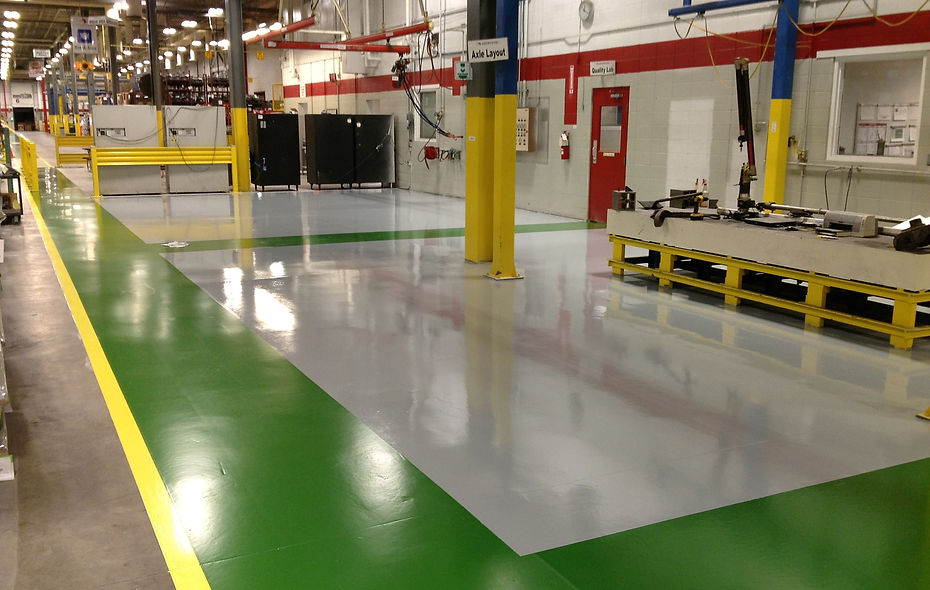
Flooring Challenges in Manufacturing Facilities
Every manufacturing environment places different demands on its concrete floors. A successful industrial flooring specification must account for the facility’s equipment, traffic, chemicals, maintenance procedures and production schedule.
Important conditions to evaluate include:
• Forklift and automated guided vehicle traffic
• Heavy machinery and concentrated point loads
• Steel wheels, carts and rolling equipment
• Abrasion and repetitive traffic patterns
• Impact from dropped tools, parts and materials
• Oils, coolants, solvents and process chemicals
• Hot liquids and temperature changes
• Concrete moisture and vapor transmission
• Cracks, joints and deteriorated concrete
• Slip resistance and worker safety
• Safety markings and traffic aisles
• Cleaning and maintenance procedures
• Shutdown limitations and return-to-service requirements
Understanding these conditions is essential when selecting an industrial resinous flooring system.
Industrial Flooring for Manufacturing Plants
High-build epoxy flooring is commonly used in manufacturing facilities because it creates a seamless, durable surface that protects concrete from traffic, abrasion, oils and many industrial chemicals.
Industrial epoxy systems can be installed at different thicknesses and reinforced with aggregate to meet specific performance requirements. Options include thin-film coatings, high-build epoxy, decorative broadcast floors, slurry systems and heavy-duty epoxy mortar.
The correct epoxy flooring system should be selected according to the concrete condition, traffic, impact, chemical exposure, required texture and expected service life.
Epoxy Mortar Flooring for Severe Industrial Conditions
Epoxy mortar systems provide additional thickness and reinforcement for areas exposed to heavy impact, steel wheels, machinery, damaged concrete and severe production traffic. These systems can also be used to rebuild deteriorated surfaces, fill damaged areas and create transitions around equipment.
A properly specified epoxy mortar floor can provide greater impact and abrasion resistance than a standard coating. Surface preparation, mortar thickness, concrete repairs and termination details must all be addressed before installation.

Urethane Cement Flooring for Wet and Thermal Environments
Urethane cement flooring may be recommended for manufacturing areas exposed to moisture, hot-water cleaning, thermal cycling, impact or aggressive chemicals. These systems are frequently used in wet-process production, washdown spaces, chemical-processing areas and facilities with significant temperature changes.
Urethane cement systems are available in different thicknesses and textures. The appropriate system depends on the operating temperature, cleaning procedures, chemical exposure, traffic and condition of the concrete.
Chemical-Resistant Industrial Flooring
Manufacturing floors may be exposed to oils, coolants, solvents, acids, alkalis, hydraulic fluids, degreasers and other process chemicals. Not every epoxy or resinous flooring system provides the same level of chemical resistance.
Chemical type, concentration, temperature, exposure duration and cleanup procedures all affect performance. In severe environments, a novolac epoxy or another specialty resinous system may be required.
Vested Floors reviews anticipated chemical exposures and available product data to help identify flooring systems and protective topcoats suited to the facility.
Abrasion-Resistant Flooring for Forklift Traffic
Forklifts, pallet jacks, carts and automated equipment can wear through an underspecified coating, especially in turning areas, loading zones and main traffic aisles. Tire type, equipment weight, traffic frequency and floor contamination all influence the amount of wear.
Manufacturing flooring systems can incorporate aggregate reinforcement, high-build epoxy and abrasion-resistant urethane finish coats. These materials help protect the system from repetitive traffic and extend the floor’s service life.
High-traffic aisles and production areas should be evaluated separately instead of applying the same flooring system throughout the entire facility.

ESD and Static-Control Flooring for Manufacturing
Electrostatic discharge can damage sensitive electronics, components and production equipment. Electronics manufacturing, assembly areas, laboratories and other controlled environments may require conductive or static-dissipative resinous flooring.
An ESD flooring specification should define the required electrical-resistance range, grounding method, concrete moisture limitations, surface preparation, testing procedures and maintenance requirements.
Vested Floors can help project teams evaluate static-control flooring options and coordinate the required performance criteria.
Safety Markings and Facility Organization
Industrial resinous flooring can incorporate traffic aisles, pedestrian walkways, forklift routes, work cells, equipment locations, restricted zones and other safety markings.
Color-coded flooring can improve facility organization and help separate production, storage and traffic areas. Slip-resistant textures can also be incorporated where oils, water, powders or other contaminants create traction concerns.
Safety colors, textures and markings should be included in the original flooring specification so contractors clearly understand the required scope.
Fast-Cure Flooring for Limited Shutdowns
Production schedules often leave little time for concrete repairs and flooring installation. MMA, polyaspartic and other rapid-curing resinous systems may be considered when a manufacturing facility requires a short installation window and fast return to service.
Fast cure alone does not make a system suitable for every application. Concrete conditions, surface preparation, temperature, ventilation, traffic and chemical exposure must still be evaluated.
Vested Floors helps project teams compare rapid-cure flooring options and develop installation phases that reduce disruption to facility operations.
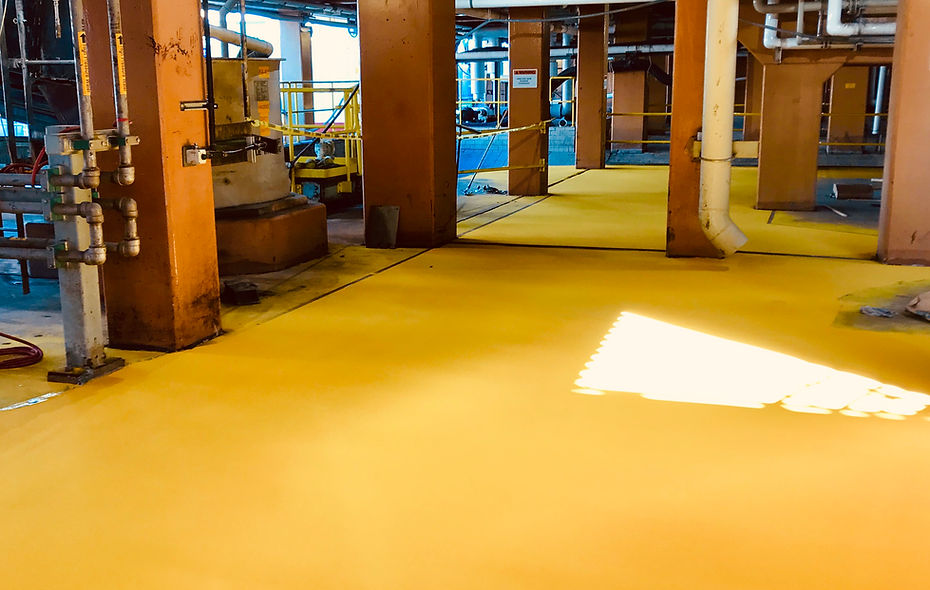
Industrial Floor Repair and Coating Replacement
Peeling coatings, cracks, damaged joints, worn traffic aisles and deteriorated concrete should be evaluated before a new flooring system is selected. Installing another coating without identifying the cause of the damage can lead to repeated failure.
Vested Floors evaluates existing concrete and resinous flooring to help identify moisture-related problems, inadequate surface preparation, chemical damage, weak concrete, excessive traffic and other potential causes.
The resulting repair plan may include coating removal, mechanical surface preparation, crack and joint treatment, concrete rebuilding, moisture mitigation and installation of a more suitable flooring system.
Industrial Flooring Applications
Vested Floors provides industrial flooring guidance for:
• Automotive and component manufacturing
• Aerospace and aviation production
• Metal fabrication and machine shops
• Electronics and electrical assembly
• Pharmaceutical and life-science facilities
• Chemical and material processing plants
• Plastics and packaging manufacturing
• Textile and paper production
• Equipment and machinery manufacturing
• Warehouses and distribution centers
• Maintenance and utility areas
• Loading docks and receiving areas
Each space should be evaluated according to its traffic, loading, chemical exposure, cleanliness and operational requirements.
Selecting the Correct Manufacturing Flooring System
Manufacturing flooring options may include high-build epoxy, epoxy mortar, urethane cement, polyurethane coatings, polyaspartic finishes, MMA flooring, decorative broadcast systems, static-control flooring and polished concrete.
No single system is appropriate for every manufacturing facility. The correct recommendation depends on the condition of the concrete, facility operations, traffic, impact, chemicals, moisture, appearance, budget and installation schedule.
Vested Floors helps project teams compare flooring technologies and develop recommendations based on long-term performance rather than product claims alone.
Manufacturing Flooring Site Evaluations and Specifications
A successful industrial flooring project begins with a detailed evaluation of the concrete and manufacturing environment. Vested Floors reviews existing coatings, concrete deterioration, moisture, cracks, joints, equipment loads, traffic patterns, chemical exposure, cleaning procedures and available installation time.
Based on these findings, we can assist with recommendations for surface preparation, repairs, moisture mitigation, resin chemistry, system thickness, aggregate, slip resistance, safety markings and protective finish coats.
Clear industrial flooring specifications help qualified contractors bid the same scope and reduce incomplete proposals, unsuitable substitutions, unexpected change orders and premature flooring failures.
Why Work With Vested Floors?
Industrial flooring failures often begin with an incomplete site evaluation, unsuitable system selection or unclear project scope. Vested Floors provides practical guidance based on the facility’s concrete conditions, manufacturing operations and long-term performance requirements.
We help plant owners, facility managers, architects, engineers and general contractors compare industrial flooring systems, develop clear specifications and evaluate contractor proposals.
Vested Floors serves manufacturing facilities throughout North Carolina, South Carolina and the Southeast.
Frequently Asked Questions About Manufacturing Floors
What is the best flooring for a manufacturing facility?
The best system depends on forklift traffic, machinery, impact, chemicals, moisture, temperature and required downtime. High-build epoxy is commonly used for general production areas, while epoxy mortar, urethane cement or specialty chemical-resistant systems may be required in more severe environments.
How thick should an industrial epoxy floor be?
The required thickness depends on the facility’s traffic and exposure. A thin-film coating may be appropriate for light-duty areas, while high-build, broadcast, slurry or mortar systems are better suited to heavy manufacturing conditions.
Can epoxy flooring withstand forklift traffic?
A properly prepared and specified epoxy system can withstand forklift traffic. Equipment weight, tire type, traffic frequency, turning areas and the use of an abrasion-resistant topcoat should be considered.
Why do manufacturing floor coatings peel?
Common causes include inadequate surface preparation, concrete moisture, weak concrete, contamination, incorrect product selection, installation errors and chemical or thermal exposure beyond the coating’s capabilities.
Can an existing manufacturing floor be repaired?
Many damaged industrial floors can be repaired or resurfaced. The existing coating, underlying concrete and cause of failure should be evaluated before a repair system is selected.
How long does industrial flooring installation take?
Installation time depends on the system, square footage, repairs, environmental conditions and available shutdown window. Rapid-curing systems may reduce downtime, but the concrete must still receive proper preparation and repairs.
Get Expert Guidance for Your Manufacturing Flooring Project
Planning a new manufacturing floor, replacing a failed coating or preparing specifications for an upcoming project? Vested Floors can help evaluate the facility, define performance requirements and identify an industrial flooring system suited to the operation.
Contact Vested Floors to schedule a site evaluation or discuss your manufacturing flooring project.